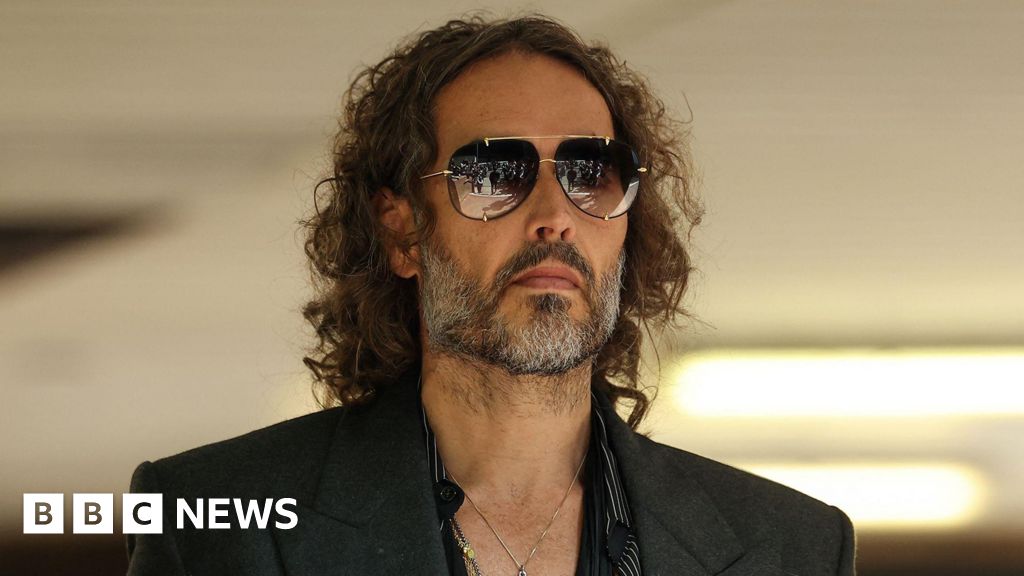
Russell Brand Faces Fresh Rape and Sexual Assault Charges
#entertainment #legal #metoo #russell_brand #charges
Russell Brand faces two new charges of rape and sexual assault as an ongoing investigation expands.
The **Crown Prosecution Service (CPS)** is the principal public agency responsible for prosecuting criminal cases investigated by the police and other investigative bodies in England and Wales. Established by the Prosecution of Offences Act 1985 and operational since 1986, the CPS functions independently from the police and government, making objective decisions on whether to prosecute based on the sufficiency of evidence and the public interest, as guided by the Code for Crown Prosecutors[1][4][6]. The CPS’s core duties include deciding which cases should proceed to prosecution, determining appropriate charges in complex cases, advising police during investigations, preparing cases, and presenting them in court. It also supports victims and witnesses throughout the legal process[1][3]. The organization is structured into 14 regional teams led by Chief Crown Prosecutors, alongside specialized divisions such as the Specialist Fraud Division, Special Crime and Counter-Terrorism Division, and the Proceeds of Crime Division, enabling it to handle a broad spectrum of criminal cases, including high-profile and corporate manslaughter prosecutions[2][4]. Historically, the CPS was created to bridge the gap between police investigations and courts, ensuring prosecutorial independence and fairness. Despite initial challenges like understaffing and strained police relations, the CPS evolved through reorganizations and now operates as an integral part of the criminal justice system[6]. Key achievements include establishing clear national prosecution frameworks and delivering justice in serious and complex cases, maintaining public safety by ensuring the right person is prosecuted for the right offence[1][7]. With a workforce exceeding 7,000 employees, the CPS emphasizes professionalism, respect, and commitment to public service, continuously striving for excellence in prosecuting offenders and upholding justice[3]. Notably, the CPS’s independent decision-making power ensures prosecutions are fair and legally sound, free from political or external influence except in rare national security cases overseen by the Attorney General[4]. This independence is vital to maintaining public trust in the criminal
#entertainment #legal #metoo #russell_brand #charges
Russell Brand faces two new charges of rape and sexual assault as an ongoing investigation expands.
#espionage #uk #china #national_security #politics
Key witness statements in the collapsed UK-China spy case spark debate over national security transparency and government explanations.